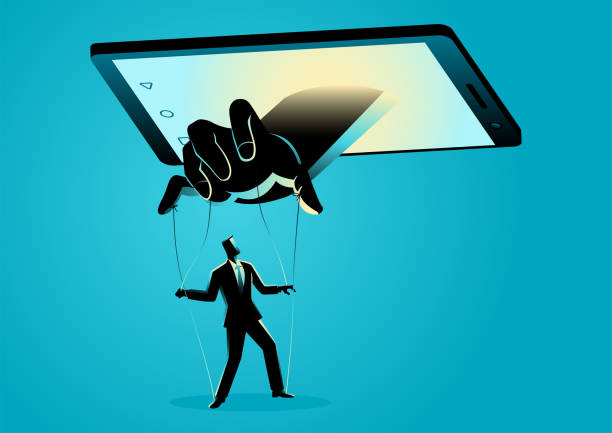
One of the most interesting ideas in Rajiv N. Rimal’s article “Media Campaigns and Perceptions of Reality” is that people often make decisions based on what they think others believe, not necessarily on what is actually true. Rimal states that “humans act, at least partly, on the basis of how they think others expect them to act.” This idea really stood out to me because it shows how social pressure and perception influence our behavior every day, even if we don’t realize it. Often, we believe we are making independent decisions, but our choices are shaped by what we think is normal or acceptable to others.
Another point the article makes is that people are actually not very good at understanding what others think. Rimal explains that there can even be “a negative correlation between our perceived ability to know what others are thinking and what they are actually thinking.” In other words, the more confident we are about understanding other people’s opinions, the more likely we might actually be wrong. This really shows how easily misunderstandings about social norms can happen.
One concept in the writing that helps explain this is pluralistic ignorance. This happens when people think that a certain belief or behavior is more widely accepted than it actually is. According to the article, people sometimes “overestimate the public support for norms deemed to be socially desirable.” A good example mentioned is college drinking. Many students believe that their peers drink heavily, even though the majority may actually drink moderately or not at all. Because of this misunderstanding, students might feel pressure to drink more in order to fit in.
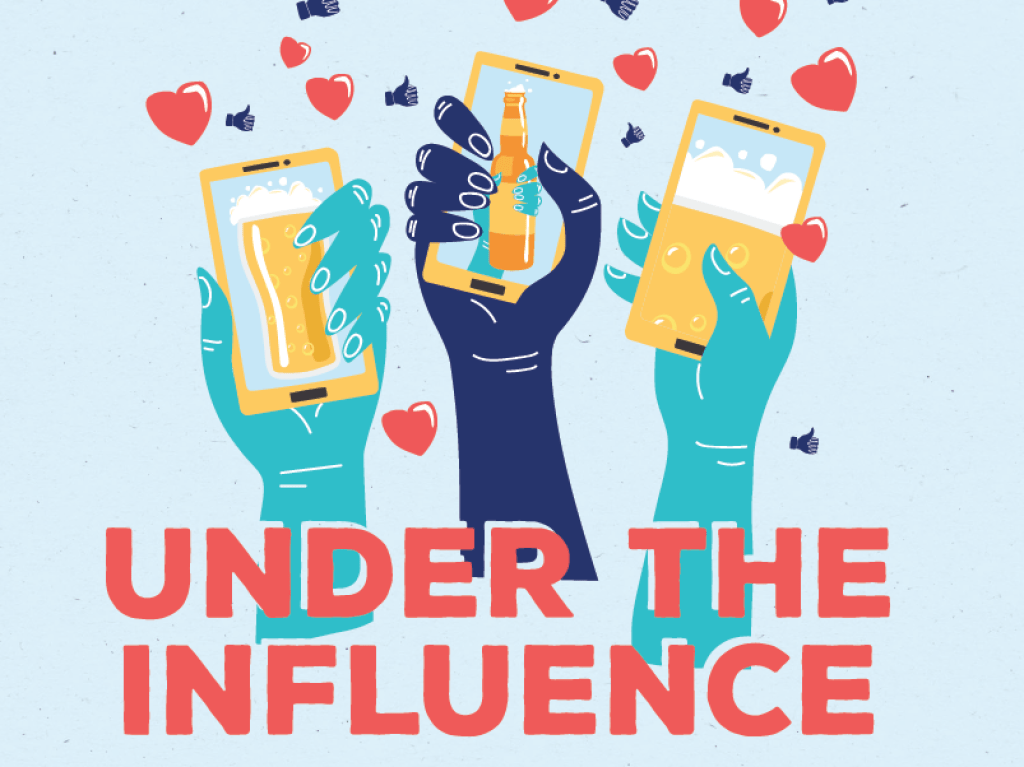
This idea connects to research on media influence as well. For example, many communication scholars talk about the third-person effect, which describes how people believe media influences others more than themselves. According to communication researcher W. Phillips Davison, individuals exposed to media messages often think that they “will not be influenced, but they [others] may well be persuaded.” This means that people often assume they are immune to advertising, political messaging, or social media persuasion, even though those messages may still affect them.
More recent studies show that this idea is still relevant today, especially with social media. Researchers explain that the third-person effect occurs when people believe media messages “have a greater effect on others than on themselves.” This is interesting because it shows how people tend to underestimate how much media can influence their own opinions. An example of this is someone who might believe that political ads or influencer marketing only affects other people, even though it might be shaping their own views without them realizing it.
You can also see these ideas explained in educational YouTube videos about media influence and social psychology. Many psychology channels, such as CrashCourse Psychology, SciShow Psych, and AsapSCIENCE, describe how humans naturally compare themselves to others when making decisions. These videos often explain that when people believe a behavior is normal or popular, they are more likely to follow it themselves. This connects back to Rimal’s argument that perceptions of social norms are powerful drivers of behavior.
What I found most interesting about this article is how it explains why media campaigns try to change perceptions first before changing behavior. If people think that most others support a certain idea or behave a certain way, they might be more willing to adopt that behavior themselves. For example, some health campaigns try to show that most students actually drink responsibly. By correcting the misperception, the campaign hopes that students will feel less pressure to drink heavily.
Overall, this article made me realize that perception can be just as powerful as reality. Even if people are wrong about what others think, those beliefs still influence their actions. Media campaigns, advertisements, and social media posts can shape these perceptions by showing certain behaviors as normal or popular. Understanding how people misinterpret social norms could help create better campaigns that encourage healthier or more positive behaviors. After reading this article, I think it’s important to question not only what we believe, but also where those beliefs come from and whether they reflect reality or just our assumptions about others.
 Rylie's Blog
Leave a comment