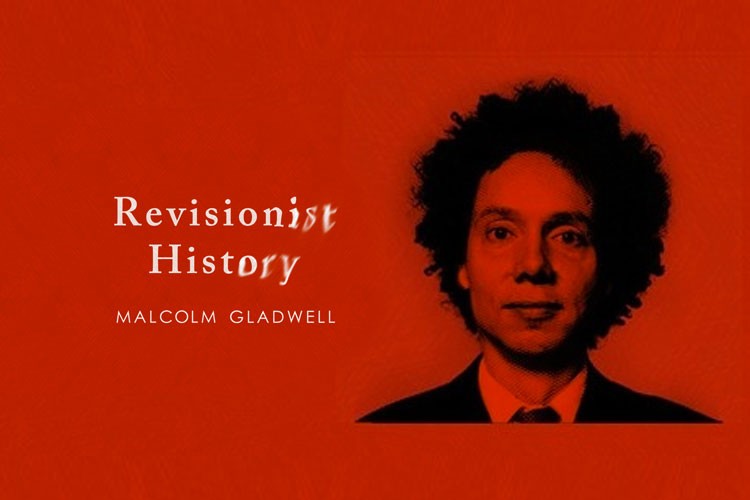
For this post, I chose to discuss an episode of Revisionist History called Food Fight. This episode focuses on the way school lunches in the United States have been shaped over time. It also dives deeper into how something that seems as simple as what kids eat at school is actually connected to politics, power, and inequality. What surprised me most is how the system was not necessarily designed with student’s health as the main priority but instead influenced by government policies, food industry interests, and cost efficiency.
One of the biggest points the episode makes is about power. Specifically those whose interests are being prioritized in decisions about public school lunches. Instead of focusing on nutrition and student well-being, the systems often focus on large food corporations that supply cheap, processed meals. This shows that power is held by those who control funding and production but not by the students or even the schools themselves. It made me realize that something simple as everyday as lunch is actually shaped by larger systems of control and profit. The people most affected are students and they have almost no say in what they are being served, which shows a clear imbalance of power.
This then connects to issues of inequality. The episode explains that school lunches are especially important for low-income students who may rely on them as their main source of food during the day. When the quality of these meals is poor, it affects those students the most. This says a lot about how systemic inequalities are shown through businesses that are supposed to support people. Instead of leveling the playing field, the system can actually make things worse.
Another important idea from the episode is how change is resisted even when there is clear evidence that improvements are needed. Efforts to make school lunches healthier have often faced pushback from political groups and industry leaders who benefit from keeping things the way they are. This shows how difficult it can be to challenge systems of power, even when the goal is something as basic as improving children’s health. It made me think about how change doesn’t just depend on having good ideas but also requires confronting the people and businesses that have something to lose.
When talking of solutions, the episode suggests that reform is possible but it requires awareness and advocacy. One important step is recognizing the problem and understanding how these systems work. From there, pressure may be put on policymakers to prioritize health and nutrition over profit. Schools and communities can also play a role by supporting local food programs or pushing for better standards. However, it is clear that real change would require a shift in priorities at a larger national level.
The meaning of this episode goes beyond school lunches. It shows how systems that are meant to serve the public can be influenced by private interests, and how those decisions can have long-term effects on people’s health and well-being. It also shows the importance of questioning things that seem normal or routine. Before listening to this episode, I never really thought about school lunches as something political but now I see how they reflect bigger issues in society.
Overall, “Food Fight” made me think more critically about how everyday systems are structured and who they benefit. It reinforced the idea that power often operates behind the scenes, shaping decisions in ways that aren’t always obvious. By looking closer and asking questions, we can better understand these systems and hopefully work toward making them more fair and equitable.
 Rylie's ENG 100 Blog
Leave a comment